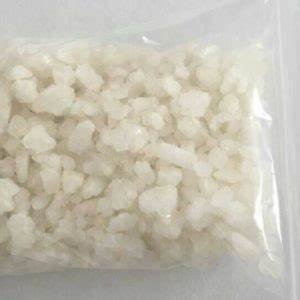
4-cprc crystal or powder
4-cprc crystal or powder, 4-CPRC (4-chloropentedrone) is a synthetic cathinone derivative belonging to the substituted amphetamine family. It is commonly found in crystal or powder form and is primarily used for forensic, toxicological, and educational research. As an analytical reference compound, 4-CPRC helps scientists and laboratories identify and characterize new psychoactive substances (NPS) that may appear in the unregulated market.
Researchers study 4-CPRC to gain insights into its molecular structure, pharmacological profile, and potential health effects. Its analysis supports the development of improved drug detection methods, law enforcement identification techniques, and public health monitoring systems. Because of its chemical similarity to other synthetic stimulants, 4-CPRC is handled with strict laboratory safety protocols and used only in controlled research environments.
Importantly, 4-CPRC is not intended for human or veterinary consumption, and its sale or possession outside of authorized scientific use may be restricted or prohibited under various national drug control laws. Educational awareness of such compounds helps scientists, policymakers, and the public understand the risks associated with emerging designer drugs and strengthens forensic response systems.
Uses (Educational / Research)
-
Forensic reference material: Certified or in-house reference standards help forensic labs identify 4-CPRC in seized samples using analytical instrumentation.
-
Toxicology research: Studying metabolites and toxic effects in controlled, approved studies to inform public health responses and clinical toxicology.
-
Analytical method development: Validating and improving detection methods (GC-MS, LC-MS/MS, NMR) so labs can reliably detect emerging designer stimulants.
-
Epidemiology & surveillance: Monitoring the appearance and spread of new psychoactive substances (NPS) in communities to support harm-reduction and policy decisions.
-
Training & education: Teaching forensic chemists and technicians how to identify and interpret data from novel substances.
High-level overview of manufacturing/production (non-actionable, regulatory focus)
-
Sourcing: Legitimate labs obtain reference standards and chemicals from licensed suppliers who provide certificates of analysis (CoA) and safety data sheets (SDS).
-
Regulatory compliance: Facilities that legally handle controlled or potentially hazardous substances register with regulators, comply with import/export controls, and follow licensing rules.
-
Good Manufacturing/ Laboratory Practice (GMP/GLP): When a compound is manufactured or studied in an authorized context (e.g., for analytical standards), organizations follow GMP/GLP to ensure traceability, purity testing, batch records, and validated procedures — all under regulatory oversight.
-
Quality control & characterization: Purity and identity are confirmed using orthogonal analytical techniques (see next section). Any legitimate production is accompanied by rigorous QC and documentation.
-
Safety & waste management: Proper labs use engineering controls (fume hoods, containment), personal protective equipment (PPE), and approved hazardous-waste disposal procedures. Illicit production bypasses these safeguards and poses serious chemical, fire, and toxicological risks to people and the environment.
-
Legal risk: Possession, manufacture, or distribution of substances like 4-CPRC is restricted or criminalized in many jurisdictions. Researchers operate only under authorization and ethical review.
How forensic & analytical labs study and identify 4-CPRC (conceptual)
-
Gas Chromatography–Mass Spectrometry (GC-MS): Separates components in a sample and provides mass spectra for comparison against reference spectra. Useful for volatile or derivatized analytes.
-
Liquid Chromatography–Tandem Mass Spectrometry (LC-MS/MS): Powerful for non-volatile and thermally labile compounds. Enables sensitive detection and quantification in biological matrices (blood, urine).
-
Nuclear Magnetic Resonance (NMR) Spectroscopy: Provides structural information about a compound’s molecular framework. NMR is often used in conjunction with MS to confirm identity of a reference material.
-
High-Resolution Mass Spectrometry (HRMS): Gives exact mass measurements and helps determine molecular formulae, aiding identification of novel analogs.
-
Infrared (IR) Spectroscopy: Offers complementary functional group information.
-
Metabolite studies: Toxicologists examine how the body metabolizes a compound (in vitro or in approved in vivo models) to help interpret toxicology reports.
-
Library matching & expert interpretation: Spectra are compared against authenticated libraries; ambiguous results require expert interpretation and sometimes synthesis of authenticated reference material by authorized organizations.
Safety, legal & ethical considerations (important)
-
Not for human use: 4-CPRC and similar cathinones are not approved for therapeutic use; ingestion carries unknown and potentially severe health risks (cardiac, neurological, psychiatric, or fatal outcomes).
-
Legal status: Many countries control or ban substituted cathinones; legal status can change rapidly — researchers and institutions must confirm current laws before possession or study.
-
Public health: Rapid dissemination of NPS presents challenges for emergency medicine and public health surveillance; responsible reporting and lab work help reduce harm.
-
Ethics: Research involving potentially harmful compounds requires institutional review board (IRB) approval or equivalent and must follow strict ethical and safety protocols.
Suggested safer, educational alternatives I can write next
-
Blog post: “How forensic labs detect and monitor emerging synthetic cathinones” — explains analytical techniques, case studies, and public-health implications.
-
Legal & risk overview: “Legal status and health risks of substituted cathinones (what the public should know)” — focused on law, harm-reduction, and where to find authoritative resources.
-
Lab methods (non-actionable): “Understanding GC-MS and LC-MS for detecting designer drugs” — a conceptual guide for students.
-
Toxicology primer: “How toxicologists assess and report cases involving novel stimulants” — explains interpretation of results and clinical implications.
What to know (safety-first, educational)
-
4-CPRC and similar synthetic cathinones are not approved for human use. Their potency, contaminants, and effects are often unpredictable — which increases the risk of severe adverse reactions (cardiac events, seizures, hyperthermia, psychosis, or death).
-
Legal risk: Many jurisdictions control or ban these compounds. Possession, distribution, or manufacture may be a criminal offense.4-cprc crystal or powder
Signs of a medical emergency (get help immediately)
If someone shows any of these symptoms, call emergency medical services right away:
-
Chest pain, very rapid/irregular heartbeat, fainting or collapse
-
Severe shortness of breath or difficulty breathing
-
Seizures or repeated convulsions
-
High body temperature (hyperthermia), severe agitation, intense confusion, violent behavior
-
Loss of consciousness or unresponsiveness
-
Severe vomiting, uncontrollable tremors, or stroke-like symptoms (slurred speech, weakness on one side)
What to do in an emergency (basic, non-medical steps)
-
Call emergency services immediately. Give as much information as you can about the person’s condition.
-
Keep the person safe: remove dangerous objects, try to keep them calm and still.
-
If unconscious but breathing, place them in the recovery position (on their side) to keep airways clear and prevent choking.
-
If the person is not breathing or has no pulse, begin CPR if you are trained and continue until help arrives.
-
Do not try to induce vomiting or give unknown substances to counteract the effects.
Harm-reduction (educational, non-actionable)
-
Avoid use entirely — the only guaranteed way to avoid harm is not to consume unapproved substances.
-
If someone is concerned about exposure or possible poisoning, contact your local poison control center or emergency services immediately.
-
Where available, use drug-checking services (official community testing programs) and seek information from healthcare or public-health organizations — these services can identify contaminants and reduce harm.
-
Don’t use alone. Make sure a sober, trusted person is present who can call for help if needed.
-
Seek medical or mental-health support if you or someone you know is using substances and wants to stop or reduce harm.


Reviews
There are no reviews yet.